Cancer Prevention with Aspirin
Purpose of This Page
To assist users in researching and gaining insights into drug trial data, specifically focusing on the role of aspirin in cancer prevention. By consolidating key findings from scientific studies and reliable resources, we aim to provide a window for readers interested in cancer prevention, hereditary cancer risk management, and the analysis of drug trial outcomes.

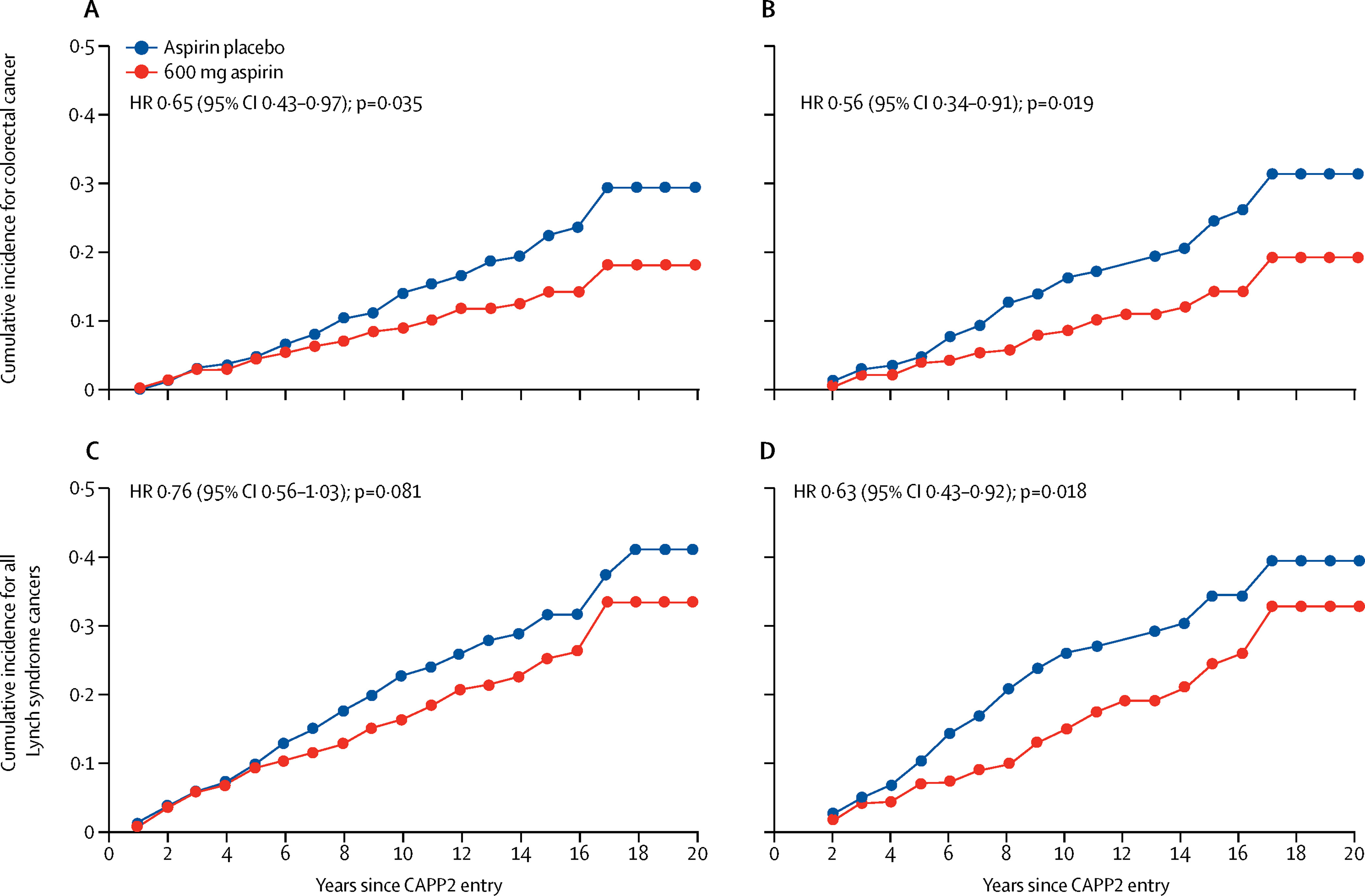
1. Cancer prevention with aspirin in hereditary colorectal cancer (Lynch syndrome), 10-year follow-up and registry-based 20-year data in the CAPP2 study: a double-blind, randomised, placebo-controlled trial
Insights or Knowledge That Can Be Extracted from the Information:
- Efficacy: Long-term use of 600 mg aspirin effectively reduces the risk of colorectal cancer in Lynch syndrome patients, with effects lasting over a decade.
- Delayed Impact: The risk reduction becomes evident approximately five years after starting treatment.
- Limitations: Aspirin showed limited or no significant effect on non-colorectal cancers.
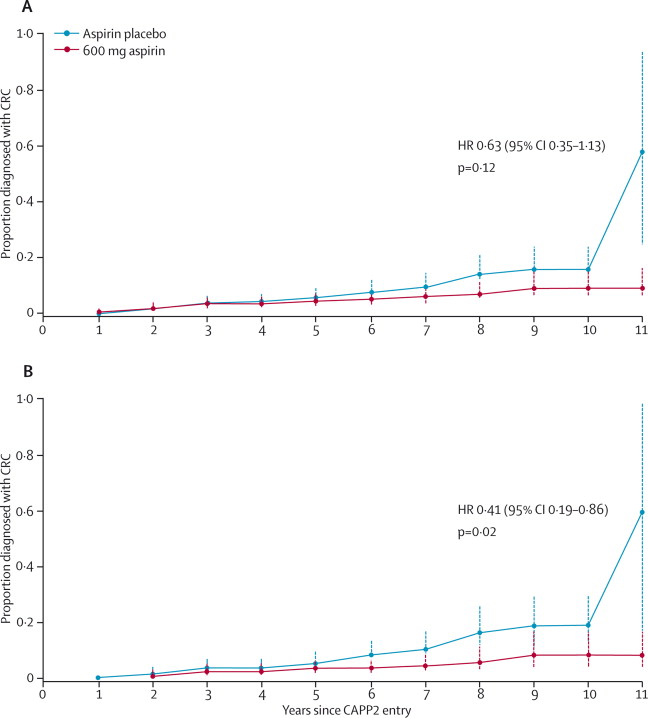
2. Long-term effect of aspirin on cancer risk in carriers of hereditary colorectal cancer: an analysis from the CAPP2 randomised controlled trial
Insights or Knowledge That Can Be Extracted from the Information:
- Aspirin may reduce colorectal cancer (CRC) incidence: The group taking 600mg aspirin had a lower CRC occurrence compared to the placebo group, with a more significant difference observed after 5-10 years (HR = 0.41, p = 0.02).
- Long-term protective effect is more pronounced: In the first five years, both groups showed similar CRC rates, but after 8-10 years, the placebo group experienced a sharp increase, while the aspirin group had a slower rise.
- Study supports aspirin as a preventive strategy: For high-risk individuals (e.g., Lynch syndrome patients), long-term aspirin use could be an effective approach to reducing CRC risk.
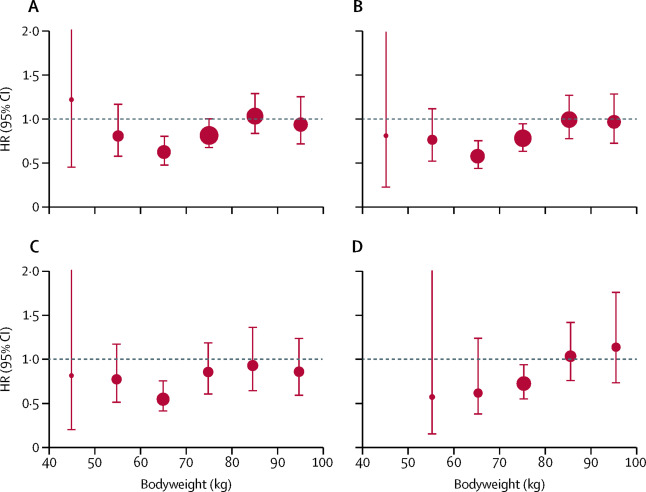
3. Effects of aspirin on risks of vascular events and cancer according to bodyweight and dose: analysis of individual patient data from randomised trials
Insights or Knowledge That Can Be Extracted from the Information:
- Body weight and aspirin efficacy: Aspirin's protective effect against cancer is stronger in specific weight ranges.
- Dose-weight relationship: Higher doses are more effective for heavier individuals.
- Combined impact of age and weight: Age and weight jointly influence aspirin’s effectiveness.
Argument
Aspirin can have some positive effects on patients with cancer.